Month-by-Month Oklahoma Gardening Calendar: Planting and Chores
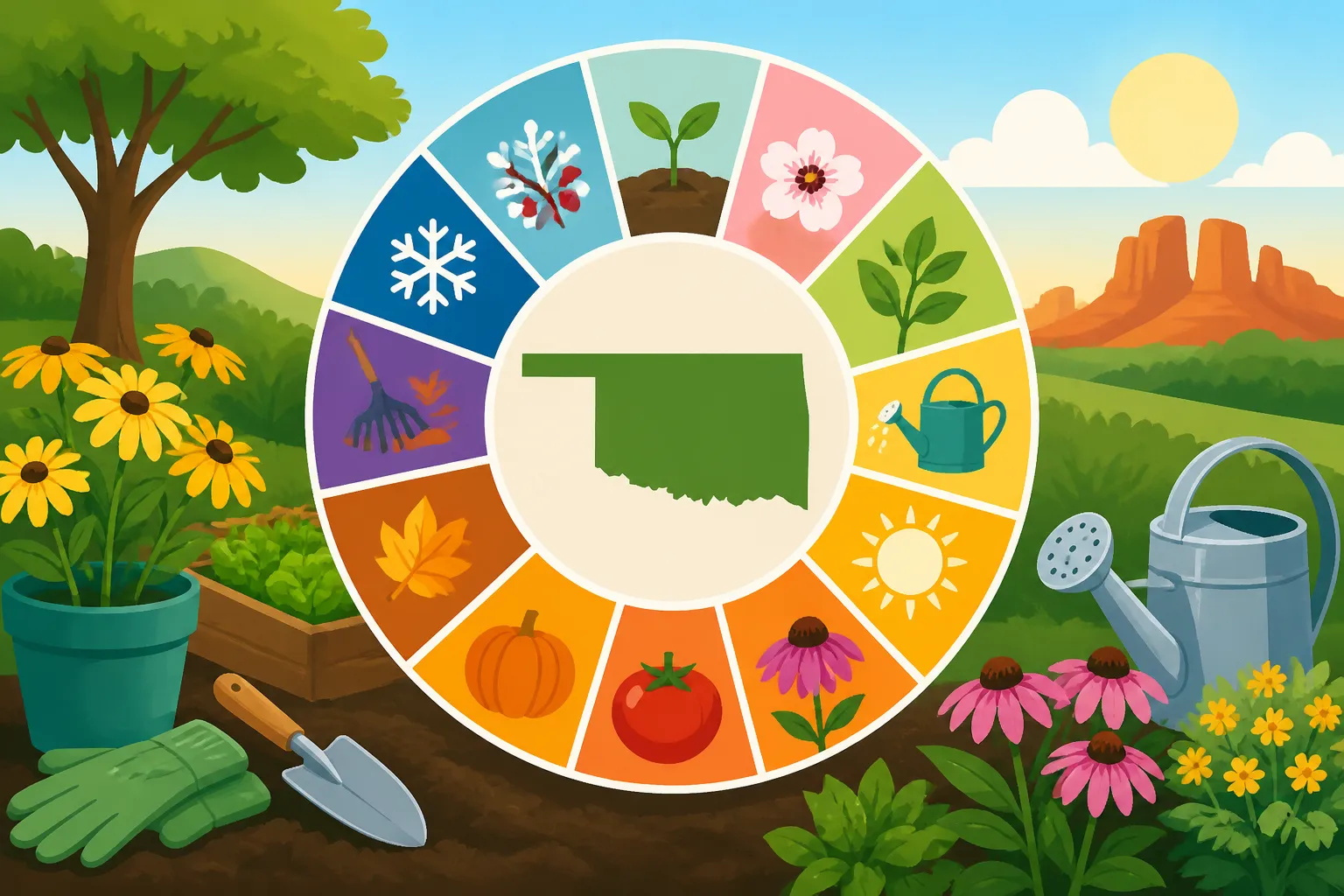
Oklahoma’s gardening year can swing from late freezes to intense summer heat, and the timing that works in one part of the state may not suit another. This month-by-month calendar helps you plan sowing, transplanting, watering, and routine bed care around the season—while leaving room to adjust for local weather and your garden’s conditions.
How to Use an Oklahoma Gardening Calendar
Think of a gardening calendar as a set of flexible windows, not a schedule of guaranteed dates. Oklahoma’s climate varies across the state, and a warm spell can be followed by a freeze. Conditions can also differ between a windy, exposed bed and a sheltered spot beside a building. Use the month headings to anticipate what may be next, then check the weather, soil, and crop needs before you plant.
The broadest useful distinction is between cool-season and warm-season crops. Cool-season vegetables such as lettuce, spinach, peas, radishes, and many root crops can grow during the cooler parts of spring and fall. Warm-season crops such as tomatoes, peppers, beans, cucumbers, corn, and okra need warmer conditions. Even a suitable month on the calendar is not enough if the soil is cold, the ground is saturated, or a cold snap is forecast.
Make timing local
Southeast Oklahoma generally warms earlier in spring than the northwest, while the Panhandle and other exposed areas can have a shorter, more variable warm-season window. Elevation, wind exposure, shade, slope, and nearby pavement can all shift conditions in a small area. For broader regional guidance, see Oklahoma Planting Dates: Why Southeast and Northwest Differ and How Regional Climate Shifts Oklahoma Vegetable Sowing Schedules.
Frost dates are probabilities, not fixed promises. A typical last-spring or first-fall frost estimate can help you think about risk, but it cannot tell you what will happen in your yard this year. Leave extra time for crops that need a long season, and protect tender plants when a cold night threatens. Understanding Oklahoma Freeze Dates and Seasonal Sowing Windows explains how to use freeze estimates without treating them as guarantees.
Hardiness zones describe how cold a location may get over winter on average; they do not tell you when to sow vegetables or when a spring freeze will end. Soil temperature, forecast conditions, and the crop’s needs are more useful for those decisions. If you are comparing general advice with local conditions, What USDA Hardiness Zones Can and Cannot Tell Vegetable Growers can help separate winter hardiness from planting timing.
Keep a simple garden record
Write down when you sowed or transplanted, how the weather behaved, and when you first harvested. Add practical notes such as “soil stayed wet,” “seedlings struggled in wind,” or “shade helped in afternoon heat.” These observations make next season’s planning more accurate than relying on a calendar alone.
Use seed packet instructions for crop-specific spacing and depth, and follow the product label for any pesticide, herbicide, or fertilizer. If you are new to planning beds, Planning an Oklahoma Vegetable Garden: Beds, Soils, and Seasons offers a starting point for connecting the calendar with space and soil.
| Month | Main focus | Typical garden tasks |
|---|---|---|
| January | Plan and inspect | Review last season, check stored seed, plan beds, maintain tools |
| February | Prepare cautiously | Start suitable seeds indoors, assess soil moisture, ready beds when workable |
| March | Begin cool-season planting | Sow or transplant suitable cool crops, protect against late cold, weed early |
| April | Transition carefully | Continue cool crops; set out warm crops only when conditions suit them |
| May | Settle into warm-season growth | Plant tender crops when safe, mulch, water consistently, watch pests |
| June | Manage heat and growth | Irrigate deeply as needed, harvest often, shade vulnerable starts |
| July | Protect and plan the next season | Maintain summer crops, start selected fall crops, manage heat stress |
| August | Sow fall crops | Plant suitable fall vegetables in stages, keep seedbeds moist, protect seedlings |
| September | Build fall harvests | Continue fall sowing, transplant suitable crops, prepare for cooler nights |
| October | Harvest and protect | Pick remaining warm crops, cover vulnerable plants when needed, plant garlic |
| November | Wind down and tidy | Harvest hardy crops, clear diseased debris, mulch beds where appropriate |
| December | Rest, review, and prepare | Store tools and supplies, plan rotations, check beds after storms |
January and February: Plan, Check, and Prepare
January
January is often more useful for decisions than for outdoor planting. Review what worked last year, sketch a bed plan, and decide which crops you want to grow again. If a crop repeatedly struggled, consider whether the cause was timing, lack of sun, poor drainage, crowding, or heat—not simply the variety.
Check stored seed packets for crop, variety, and purchase information, and keep seed in a cool, dry place. Make a short list of what you need before the busy planting season begins. Clean and inspect hand tools, stakes, trellises, hoses, and containers. Replace or repair anything that is likely to slow you down later.
Avoid working beds while the soil is wet enough to smear or compact. Walking or digging in saturated soil can damage its structure, especially in heavy clay. If you are unsure whether a bed is workable, wait for it to drain and crumble rather than forcing the job during a brief warm spell.
January is also a good time to plan crop rotation. Avoid placing related crops in the same bed year after year when you have space to move them. Rotation can help reduce the buildup of some pests and diseases, though it is only one part of garden management. A written plan also makes it easier to keep track of where you planted each crop.
If you are growing indoors under lights, check seedlings regularly rather than starting everything early. Seedlings that outgrow their containers before outdoor conditions are suitable can become stressed and difficult to handle. Choose indoor sowing dates based on the time the crop needs before transplanting, not on the first warm afternoon of the year. Oklahoma Seed Flat Schedules: Starting Starts One Month Before Garden covers the connection between indoor starts and transplant timing.
February
February can bring opportunities to prepare beds and start some crops, but it can also bring freezes, wet soil, and abrupt temperature changes. Treat a sunny day as a chance to inspect rather than a promise that spring has arrived. Clear only what is ready to be cleared, and keep protective materials available for seedlings and tender transplants.
Start indoors only the crops that benefit from an early head start and can be managed until outdoor conditions are suitable. Provide strong light, avoid keeping seedlings waterlogged, and give them enough room as they grow. Starting too early can produce large, weak plants that are harder to establish than younger, sturdy ones.
Outdoor sowing of cool-season crops may be possible when soil is workable and local conditions are favorable. A soggy bed is not improved by planting into it, and cold soil can slow germination. Check the crop’s preferred conditions and the seed packet, then use the forecast as part of the decision. Testing Soil Temperature Before Sowing Spring Crops in Oklahoma explains why soil conditions matter alongside the calendar.
Use the month to finish practical setup: repair bed edges, refresh paths, check irrigation connections, and organize row covers or other temporary protection. If you need to add compost or other soil amendments, base the choice on the bed’s condition and the intended crop. Avoid adding fertilizer by guesswork; follow the product label and seek soil-specific guidance when needed.
March and April: Start the Cool Season, Watch for Cold
March
March is often the beginning of active outdoor gardening, especially for cool-season crops. As beds become workable, gardeners can sow or transplant suitable greens, peas, radishes, and other crops that tolerate cooler conditions. Local weather still matters: a late freeze can damage young growth, and a warm spell does not guarantee that cold weather is over.
Prepare a modest area at a time rather than turning every bed over at once. That keeps the work manageable and lets you respond to changing forecasts. Remove weeds while they are small, but avoid disturbing wet ground. If you are growing in containers, check drainage holes and use a suitable potting mix rather than dense yard soil.
Direct sowing and transplanting are not interchangeable for every crop. Some crops establish well from seed in place; others are often easier to manage as transplants. Consider how quickly a crop matures, whether it resents root disturbance, and how much protection you can provide. When to Direct Sow vs Transplant Vegetables on the Oklahoma Calendar compares the choices by crop and situation.
Be ready to cover young plants when a cold night threatens. Covers can reduce exposure, but they are not a substitute for checking how cold it will get, how long the cold will last, and whether the cover is secure. A cover that touches foliage may offer less protection than one held above the plants. Remove or vent covers when conditions warm so plants do not overheat.
March is also a useful month to observe drainage. Note where water collects after rain and where beds dry quickly. These patterns may explain uneven growth later, when heat makes moisture differences more pronounced. If soil is difficult to work or seedlings fail repeatedly, reassess bed structure and watering rather than simply adding more seed.
April
April is a transition month, not a universal “plant everything” signal. Continue with cool-season crops if conditions suit them, and begin preparing for warm-season planting. Tender plants should not go outdoors just because daytime temperatures feel pleasant; chilly nights, cold soil, and sudden weather changes can set them back.
Before transplanting tomatoes, peppers, eggplant, cucumbers, or other warm-season crops, consider the forecast, soil warmth, and the plant’s condition. A sturdy transplant that has been gradually conditioned to outdoor conditions is more likely to establish well than a tender indoor plant moved straight into wind and sun. Hardening Off Spring Starts: Conditioning Seedlings in Oklahoma explains how to prepare seedlings for the transition.
Keep early plantings manageable. Sow a small amount of fast-growing crops, then make another sowing later if you want a longer harvest. This reduces the chance that everything matures at once or that a single weather event wipes out the whole planting. For crops with longer maturity times, check the seed packet and consider how much growing time remains in your local season.
Watch for weeds before they grow large, and protect the soil surface with mulch when plants are established and conditions are appropriate. Mulch can help moderate soil moisture and reduce some weed pressure, but it should not be piled against stems or used to hide a drainage problem. Water new transplants carefully: their roots are not yet spread through the bed, so a dry surface can matter even when deeper soil remains moist.
As spring work expands, keep irrigation simple and inspect it often. Drippers or hoses can shift, clog, or leak, leaving some plants dry and others too wet. Check the soil around the root area rather than relying only on how the surface looks.
May and June: Establish Warm-Season Crops and Manage Growth
May
May is a major planting and establishment period for warm-season vegetables, but the safest timing depends on regional conditions and the forecast. Tender crops need warm soil and protection from damaging cold. If the weather is unsettled, planting in stages can reduce risk: set out a portion, keep the rest protected, and wait to see how conditions develop.
Plant transplants at a time of day when they are less exposed to intense sun and wind, and water them in so roots make good contact with the surrounding soil. Avoid transplanting into dry, dusty ground and then expecting a quick recovery. Give plants room for their mature size and airflow. Crowding can make watering, harvesting, and pest checks harder later.
Direct sow warm-season crops when soil conditions suit them. Beans, corn, cucumbers, and similar crops need warmth to establish well; cold, wet soil can lead to slow emergence or poor stands. For specific crop timing, see Oklahoma Warm-Season Vegetables: Soil Temperatures and Planting. It is more useful to assess actual conditions than to assume that all of Oklahoma is ready on the same day.
Start checking plants regularly for insects, leaf damage, wilting, and changes in color. A few holes or a wilted leaf do not always mean a serious problem, so inspect the plant and look for patterns before acting. If treatment is necessary, follow the product label, which is the legal instruction for use.
May is also when irrigation habits begin to matter. Water newly planted crops enough to help them establish, then adjust as roots grow and weather changes. The goal is not to keep the soil constantly wet; it is to provide moisture in a way that supports roots without leaving beds saturated. Mulch can help conserve moisture after the soil has warmed and plants are established.
June
June brings faster growth and rising water demand. Check the root zone regularly, especially in raised beds, containers, sandy areas, and places exposed to wind or afternoon sun. A surface that looks dry does not always mean the full root zone needs water, while a recent shower may wet only the top layer. Watering Oklahoma Vegetable Crops During Summer Heat Waves offers more detail on adjusting irrigation during hot spells.
Watering deeply enough to reach the active roots is generally more useful than frequent, shallow sprinkling, but the right approach depends on soil, crop, and weather. Clay may absorb water slowly and run off if it is applied too quickly. Containers dry faster than in-ground beds and may need closer attention. Check moisture near the plants and adjust rather than following a rigid routine.
Harvest crops as they reach the stage you prefer. Regular picking encourages continued production in crops that bear over time and keeps oversized fruit from sitting on plants. Check beneath leaves and around the base of plants for produce that is easy to miss. For signs that help judge readiness, see Oklahoma Garden Harvest Clues: Visual Signs Crops Are Ready to Pick.
Give climbing or sprawling crops support before vines become heavy and tangled. Remove damaged or diseased plant material when practical, and keep paths accessible so you can inspect the garden without stepping into beds. Avoid heavy pruning or unnecessary disturbance during extreme heat.
Plan for the next season before summer reaches its peak. A fall garden often depends on sowing crops while conditions are still hot, so leave space and identify which beds will become available. Take notes on which spring crops finished early, which are still productive, and where shade may help protect late-season seedlings.
July and August: Handle Heat and Start the Fall Garden
July
July is often a demanding month for both plants and gardeners. Heat can reduce flowering or fruit set in some crops, dry out containers quickly, and make newly sown seedbeds difficult to keep evenly moist. Focus on keeping established plants healthy and avoid adding more work than you can maintain.
Water based on soil moisture and plant condition, not a fixed schedule. Apply water in a way that reaches the root area without causing runoff, and check beds again after heavy rain because a brief downpour may not soak deeply. Keep an eye on plants in exposed locations and newly planted areas, which can dry faster than established beds.
Harvest promptly and regularly. Pick produce before it becomes overripe, and remove spoiled fruit that could attract pests. If plants stop producing, check for heat stress, irregular moisture, overcrowding, and pest or disease damage. Some crops may slow during very hot weather and resume when conditions ease; adding fertilizer is not automatically the answer.
Begin planning fall sowing now. Count backward from the period when cold is likely to end growth, allowing for the crop’s time to mature and for slower growth as days cool. Seed packet maturity estimates are helpful but not guarantees; heat, water, and variety can change the pace. Calculating Fall Crop Maturity Before Oklahoma Winter Freezes explains how to think through the available window.
A small amount of shade can help some young seedlings establish during intense sun, especially in a protected seedbed. Shade should reduce stress without leaving seedlings permanently short of light. Keep seedbeds evenly moist while seeds germinate, and remove or adjust protection as seedlings grow.
August
August is a key month for starting many fall vegetables, even though the weather may feel too hot for cool-season crops. Seeds can struggle to germinate in hot, dry soil, so plan the seedbed carefully. Choose a spot you can water consistently, avoid letting the surface crust, and use temporary shade where it helps reduce the worst afternoon stress.
Sow in stages rather than planting every seed at once. A second sowing can replace poor emergence or extend the harvest period, while a single large planting may mature all at once. Use crop-specific maturity information and account for the time seedlings need to establish before cooler weather arrives. Oklahoma Fall Garden Calendar: Sowing Greens and Roots on Time provides a more focused schedule for fall crops.
Transplanting can be easier than direct sowing for some crops during hot weather, but transplants need protection as they settle in. Keep root balls moist, avoid leaving them exposed before planting, and shade them temporarily if conditions are harsh. Seedlings started indoors or in a protected spot should be gradually adjusted to outdoor light and temperatures.
Continue tending summer crops that are still productive, but make decisions about tired plants. If a bed is declining, remove plants that are diseased or no longer worth the space, then prepare it for fall use. Clear weeds before they set seed, and avoid placing questionable plant debris in a compost pile unless the composting process is suitable for it.
Keep irrigation flexible. A hot, windy day can dry a bed quickly, while cloudy weather or rain may reduce the need. Containers and shallow raised beds need especially close checks. For a broader discussion of how water use changes through the season, see Oklahoma Summer Irrigation: Watering Crops from June to September.
September and October: Extend the Harvest and Prepare for Cold
September
September often brings a welcome shift toward cooler conditions, though warm spells can continue. Keep sowing or transplanting suitable fall crops while there is enough time for them to establish. Recheck maturity estimates and local weather rather than assuming that a calendar date guarantees a harvest.
Thin crowded seedlings to the spacing they need. Seedlings left too close together compete for light, water, and root space, and they can be harder to inspect for pests or disease. Water transplants as they establish, but reduce watering when rainfall and cooler conditions make it appropriate. Avoid letting a newly planted bed dry out during its first days.
Continue harvesting warm-season crops while plants remain productive. Watch the forecast for nights that may affect tender plants, and decide ahead of time whether to cover, harvest, or let a crop finish. Covers can buy time during a brief cold spell, but they cannot make a tender crop immune to prolonged or severe cold.
Make a list of beds that need cleanup or preparation. Remove spent plants when they are no longer productive, and avoid leaving badly diseased material among healthy crops. Add mulch where it will help protect soil and suppress weeds, but leave room around plant stems and avoid covering young seedlings.
September is also a good time to revisit your notes. Record which fall crops emerged well, which needed shade, and how much time they took to mature. Those details are particularly helpful for adjusting sowing dates next year. For timing and crop choices in more detail, see Planning Fall Gardens Across Oklahoma: Dates, Frost, and Crops.
October
October is a harvest, cleanup, and protection month. Pick remaining warm-season produce before cold weather damages it, and remove plants that have finished or become unhealthy. If a crop is still bearing, use the forecast to decide whether a temporary cover is worth the effort.
Cool-season crops may continue growing as temperatures ease. Growth often slows as days shorten and nights cool, so keep realistic expectations about how quickly plants will fill out. Harvest outer leaves or mature roots as appropriate, leaving healthy growth to continue when the crop allows.
October can be a suitable time to plant garlic cloves for a harvest the following summer. Choose a bed with good drainage and prepare it before planting. Keep track of where you plant garlic so you can rotate crops in future seasons. For step-by-step timing considerations, see Planting Garlic Cloves in Early Fall for Next Summer Harvests.
Start clearing paths and storing supports that are no longer needed, but do not strip every bed bare if healthy crops are still growing. A tidy garden is not necessarily a healthier one if cleanup removes useful cover or disrupts productive plants. Remove weeds before they seed, and dispose of diseased material thoughtfully.
Watch for early cold warnings, especially in exposed gardens and lower spots where cold air can settle. A forecast for one neighborhood may not match conditions in another. Check the local forecast and the plants’ tolerance, then cover vulnerable crops when appropriate. How to Read a Local Freeze Warning for Your Backyard can help you interpret a warning in relation to garden conditions.
November and December: Harvest, Protect, and Reset
November
November usually shifts attention from planting warm-season crops to harvesting, protecting hardy plants, and putting the garden to rest. Continue harvesting crops that tolerate cool conditions while they remain in good shape. Be alert to changes in texture or flavor after cold weather, and pick crops according to how you plan to use them.
Remove spent annual crops and plants with significant disease problems. Healthy plant material can be handled differently from diseased debris, so avoid spreading infected leaves or stems through the garden. Clear weeds before they grow or set seed, and check that beds drain freely after rain.
Mulch can help moderate soil conditions and limit weed growth, but the material and placement matter. Keep mulch away from crowns and stems, and avoid using it to cover soil that is already waterlogged. In beds with winter crops, leave enough space for plants to grow and for you to harvest without trampling the soil.
If a freeze is expected, decide which plants need protection and which can tolerate the conditions. Prioritize young or tender plants rather than trying to cover everything. A cover should be secure and sized to protect the foliage; check it after windy weather. For help prioritizing, see Prioritizing Garden Covers: Do You Need to Protect Every Bed?.
November is also a good point to take stock of tools and supplies. Clean tools after use, store hoses and supports where they are less likely to be damaged by winter conditions, and make a note of anything that needs repair before spring.
December
December is a quieter month, but a little preparation now can save time later. Review your garden notes, decide what to repeat, and think about changes to bed layout or crop rotation. If a crop failed, try to identify a likely cause before deciding that the crop is unsuitable. Weather, soil moisture, planting depth, crowding, and light can all affect results.
Inspect the garden after strong wind or heavy rain. Look for damaged supports, soil washed from beds, standing water, and protective covers that have shifted. Repair what is practical, then wait for better conditions before working wet soil.
Use winter downtime to plan a manageable seed-starting schedule. Consider the space and light you have indoors, the number of plants you can care for, and how much room you have in the garden. A shorter, well-tended crop list can produce more than an ambitious plan that leaves seedlings crowded or beds difficult to maintain.
Store seed and supplies in conditions that protect them from moisture and temperature swings. Check labels and make a list of gaps, but avoid buying more than you can use. If you want to plan the full season in more detail, Oklahoma Vegetable Planting Calendar: Full Growing Season Guide can help connect the month-by-month tasks with crop-specific windows.
The main winter task is to be ready to adapt. Oklahoma weather can shift quickly, so keep covers accessible, pay attention to local forecasts, and use the calendar as a prompt to check conditions—not as a reason to plant regardless of them.
Frequently Asked Questions
Should I follow the same planting dates everywhere in Oklahoma?
No. Regional climate, soil conditions, exposure, and local weather can shift planting windows. Use broad calendar guidance as a starting point, then adjust to your garden and forecast.
Can I plant a warm-season vegetable as soon as the daytime weather feels warm?
Not necessarily. Warm-season crops also need suitable soil conditions and protection from cold nights. Check the forecast and the crop’s needs before setting out seeds or transplants.
When should I start a fall garden?
Plan backward from the likely end of the growing window, allowing for the crop’s maturity time and slower growth as temperatures cool. Many fall crops need to be sown while summer heat is still present.
Are frost dates exact?
No. Frost dates are estimates based on probabilities, and actual conditions vary from year to year and from one garden to another. Use them as planning references, not guarantees.
Disclaimer
This article is for general informational purposes only and does not constitute professional advice. Laws, prices and regulations vary by location and change over time. Consult a qualified professional for guidance on your specific situation. Oklahoma Gardening Guide is not a government agency and is not affiliated with any university extension, state department of agriculture or other government agency.